It is not uncommon for Hilliard residents to encounter wildlife in their backyard, neighborhood park, or near the side of the road. Birds, geese, skunks, squirrels, racoons, opossums, deer, foxes and even coyotes can be spotted in our city.
But what should you do if one of these common Ohio critters makes a home in your favorite tree or rummages through your trash bin?
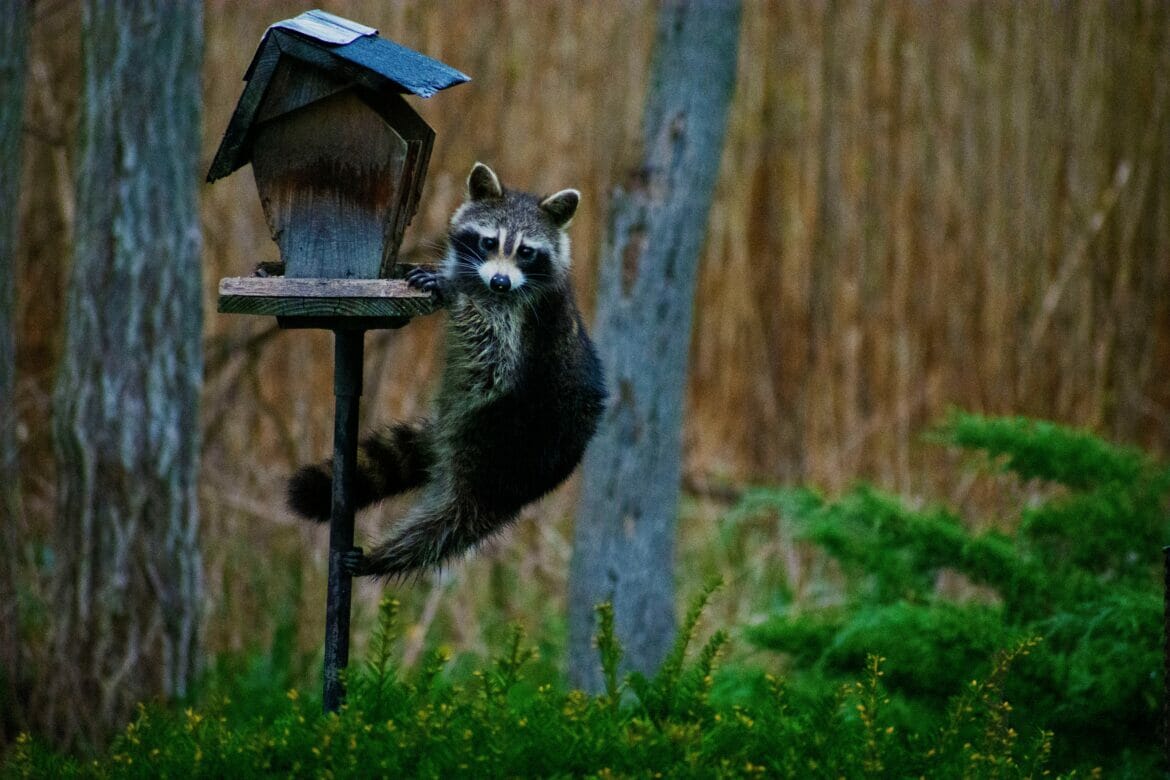
Raccoon: These nocturnal suburban mammals can be determined and clever. They’re omnivores, so they’ll eat pretty much anything. The Ohio Department of Natural Resources (ODNR) encourages homeowners who want to deter raccoons to secure their trash, clean up their yards, use fenced gardens, and remove any accessible human and food.
Raccoons are creatures of opportunity. If you offer them a source of food or shelter, they’ll graciously accept. If you leave raccoons no reason to pay you a visit, they will leave.
Canada geese: Canada geese are probably the most adaptable and tolerant of all native waterfowl. If left undisturbed, they will establish nesting territories on any suitable pond, which makes Hilliard a prime destination. In just a few years, a pair of geese can easily become 50 to 100 birds.
ODNR recommends that people do not feed Canada geese. Geese that are fed will lose their fear of humans and attack during the March through June nesting season.
Canada geese are protected under both Federal and state laws. Non-lethal scare and hazing tactics, which do not harm the geese, are allowed.
Birds: Backyard birds love to share our space. The needs of most wildlife species are basic: food, water, and shelter. By providing these needs, you can effectively bring backyard wildlife into your life. ODNR encourages residents to fill a bird feeder with seed to attract at least one or more types of birds taking advantage of the food source.
Deer: Ohio is home to a thriving population of white-tailed deer, according to ODNR. It is seen in the state’s wildlife areas, parks and nature preserves as well as in the backyards of rural and suburban residents.
Whitetails are active around the clock, but less so during daylight hours. Most often, white-tailed deer are on the move at dawn and dusk. This behavior can prove hazardous to humans during the breeding season in the fall. Commuters to and from work often encounter deer on the move at this time of year, which can result in serious accidents.
Drivers should pay special attention October through December when traveling through zones marked with deer crossing signs. Learn more here.
Coyotes: According to ODNR, coyotes are common in Ohio in both rural and urban settings. If you have a coyote on your property, remove all “attractants” to possibly deter the coyote from returning. Remove garbage and pet food before nightfall, and clean up around the grill. Coyotes prey primarily on small mammals, such as rabbits and mice. They also are scavengers.
Keep small dogs and cats inside, or stay with them at night when coyotes are most active. Coyotes are curious, but generally fearful of humans. Clap your hands and shout to scare them off.
Rats: Rodents in residential areas are primarily driven by three core needs: food, water, and shelter. By eliminating these sources, rats will move on, won’t reproduce as fast, or will move. Open trash cans, unpicked fallen fruit, birdseed, and accessible pet food are major magnets. The Franklin County Public Health Department regulates public health issues and offers resources regarding rats here.
Opossums: North America’s only marsupial is about the size of a house cat. They love suburbia and the city. Opossums eat dead animals, insects (including ticks), rodents and birds.
They prefer wooded areas or open fields near streams. They will live in abandoned burrows; tree crevices; brush piles; or areas beneath steps, decks, and outbuildings.
Control methods for backyard possums vary, with opossum repellents and trapping commonly used. Fencing is another option.
Remember, the best thing humans can do with most wildlife is to leave them alone. However, if a wild animal visiting your yard seems to lack a fear of humans or is presenting a conflict even after removing attractants from your yard, contact the Ohio Division of Wildlife at 1-800-WILDLIFE (945-3543).
Need to report a property code violation? Report a property code violation to Hilliard’s Code Enforcement Team online here.